Register Now for This Life-Changing Information.
Unlock the secrets to concussion recovery and prevention!
Your Brain Can Heal — If You Give It What It Needs!
Your brain is worth it. Don't miss out on this opportunity.
Expert Guidance
Learn from experienced clinicians, Dr. Sutton and Dr. Psencik.
Clinical Pearls
Gain access to clinical pearls, invaluable insights from real-life experiences.
Resources
Receive data, protocols, and studies you can look back to anytime.
🧠 Understanding Concussions: From Impact to Recovery
Duration: 3.5-Hour Educational Class + Live Q&A
Audience: Open to both clinicians and the general public
Concussions are one of the most misunderstood injuries in medicine — and one of the most common. Whether you’re a healthcare provider, coach, athlete, parent, or simply someone interested in brain health, this immersive 3.5-hour course will give you a clear, science-based understanding of what actually happens when the brain is injured — and what truly promotes recovery.
Through an engaging mix of real-world case studies, live demonstrations, and actionable takeaways, you’ll learn how to recognize subtle concussion symptoms, understand the biological and biomechanical forces at play, and explore the emerging science on inflammation, gut-brain connection, hormone shifts, and neuroplasticity.
Clinicians will deepen their diagnostic and therapeutic toolkit — including up-to-date protocols for vestibular and visual rehab, autonomic regulation, and cognitive retraining. Non-clinicians will gain empowering, practical knowledge on how to support recovery at home, reduce re-injury risk, and recognize when “just rest” isn’t enough.
Topics include:
-
What actually happens to the brain during a concussion
-
The difference between mild traumatic brain injury and “just a bump”
-
Chemical concussions: how inflammation, toxins, and metabolic dysfunction can mimic or worsen brain injury
-
Genetic and epigenetic risk factors: why some people recover quickly while others struggle with lingering symptoms
-
Diagnostic testing: from balance and visual tracking to biomarkers, neurocognitive testing, and advanced imaging — understanding what works and what doesn’t
-
How inflammation, hormones, and gut health influence recovery
-
Visual and vestibular dysfunction: why symptoms linger
-
Nutrition and supplementation for neurorepair
-
Sleep, exercise, and graded return-to-play strategies
-
New frontiers: neuromodulation, photobiomodulation, genetic & lab testing tools to minimize risk and maximize results
- Age matters- how and why yonger brains are at a higer risk, and what you need to know to protect developing brains
The session concludes with a live Q&A, where participants can ask personalized questions — from complex patient cases to what to do after a child’s sports injury.
By the end of the program, you’ll walk away with a deeper understanding of the brain’s resilience, practical strategies to optimize recovery, and a renewed respect for how powerful — and delicate — the human nervous system truly is.
What You’ll Learn
Objective Testing You Must Know
-
Advanced neurocognitive testing to quantify processing speed, memory, and reaction time
-
Balance and vestibular assessments that reveal hidden deficits
-
Blood biomarkers linked to inflammation, brain injury, and recovery potential
-
Genetic testing that identifies concussion-risk genes and healing-capacity genes
Subjective Signs You Should Never Ignore
-
Persistent headaches, fatigue, brain fog, and irritability
-
Light/noise sensitivity or difficulty reading
-
Slowed thinking, poor concentration, or feeling “not yourself”
-
Sleep disruption, mood changes, anxiety, or emotional swings
-
Worsening symptoms with physical or mental exertion
Personalized Nutrition & Diet for Faster Healing
-
DHA and omega-3 intake to stabilize neuronal membranes
-
Polyphenols and antioxidants to lower neuroinflammation
-
Targeted supplementation to support nitric oxide, circulation, and mitochondrial repair
-
Foods that strengthen the gut–brain axis and lower intestinal permeability
-
Hydration and electrolyte strategies for better cerebral blood flow
Genetic & Environmental Risk Factors You Can Change
-
Genes that influence inflammation, detox pathways, DHA status, and concussion severity
-
High-iron genotypes that accelerate oxidative stress
-
Environmental triggers: toxins, nutrient deficiencies, infections, stress load
-
Lifestyle and training errors that increase risk for head injuries
Steps You Can Take Before & After a Concussion
-
Pre-concussion brain-protection strategies
-
Immediate post-injury actions that reduce long-term damage
-
Evidence-based recovery protocols for sleep, nutrition, movement, and neuro-rehab
-
How to know when your brain is actually healed
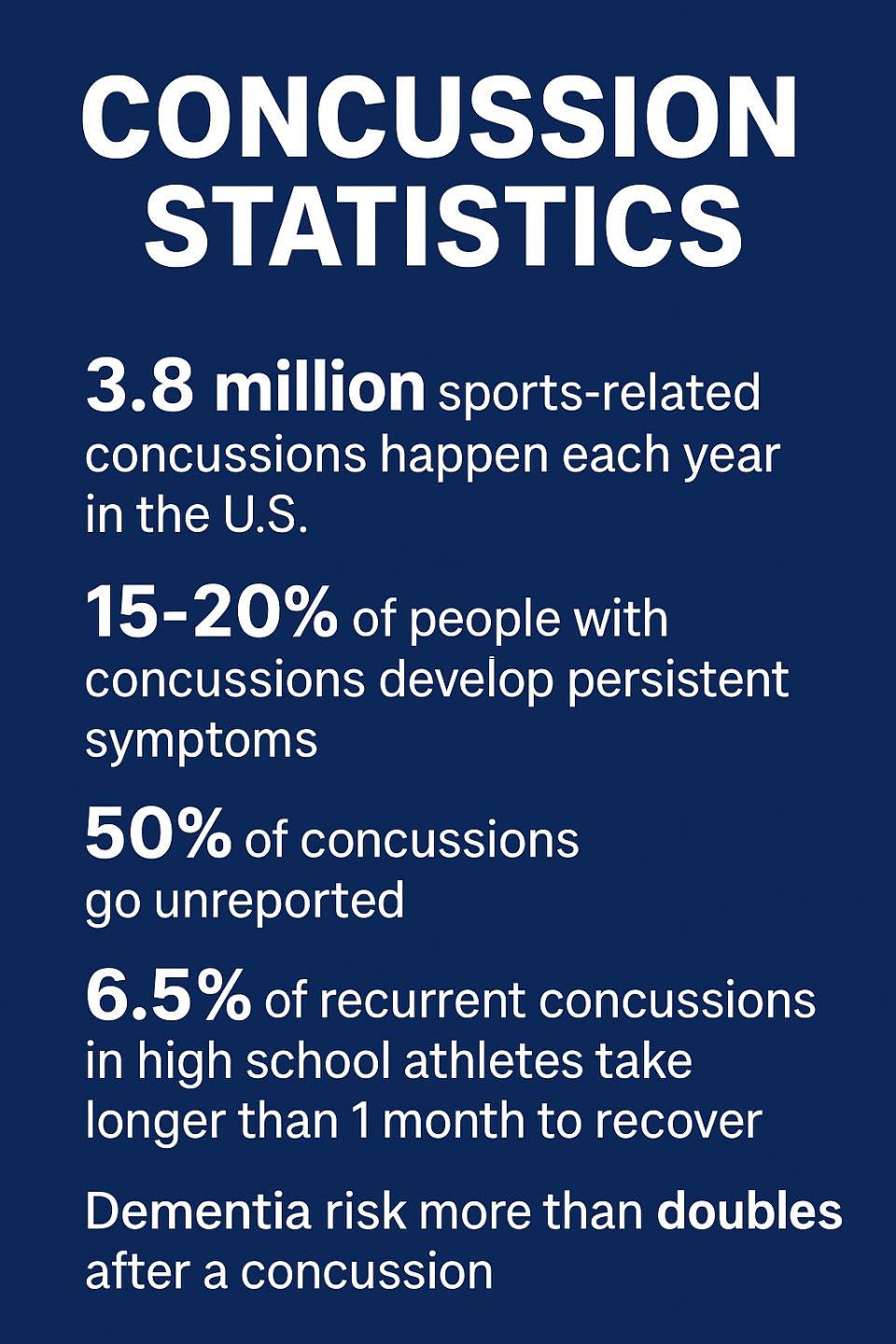

Learn More & Register For Concussion Workshop Taught by Dr. Christy Sutton and Dr. Eileen Psencik
Previous Educational Workshops You May Enjoy

The Iron Curse Masters Class
Take a deep dive into iron-related health problems: hemochromatosis, iron-overload, anemia, and anemia of inflammation.
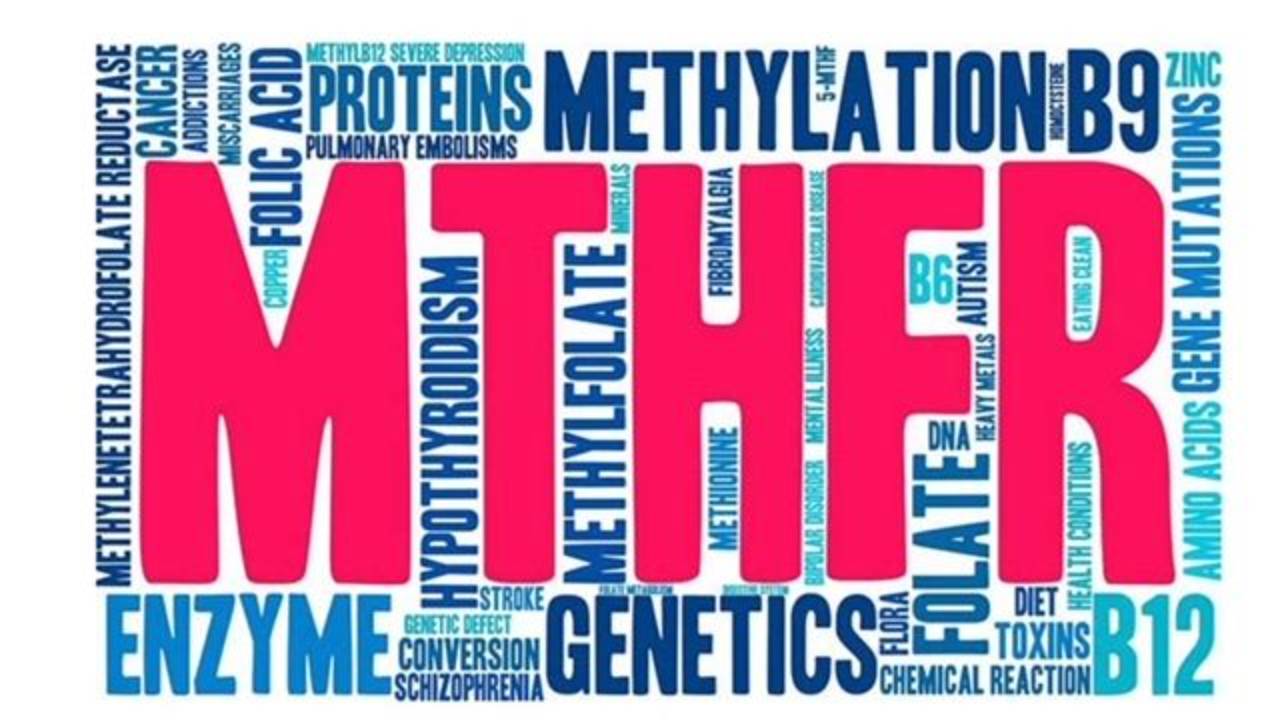
MTHFR & Methylation by Christy Sutton, D.C.
Watch Live or pre-recorded, as Dr. Sutton breaks down MTHFR and methylation in a way that will be both profound yet easy to follow.
Autoimmune Diseases, Celiac, Crohn's, Type 1 Diabetes, Allergies & Gut Health
Take a deep dive into autoimmune diseases, celiac disease, gluten sensitivity, wheat allergies, Crohn’s, lactose intolerance, allergies, immune-problems, and type-1 diabetes.
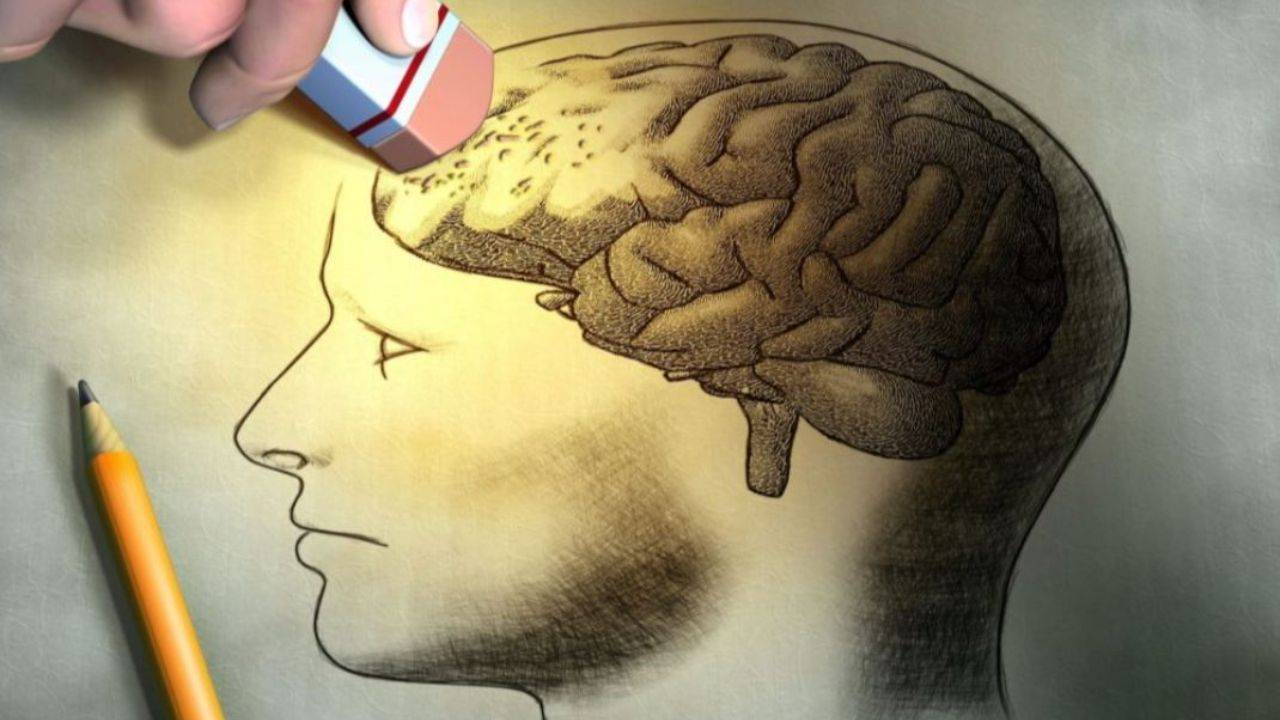
Alzheimer’s, Parkinson's & Cognitive Decline Workshop Course. Why DNA is not your destiny?
Take a deep dive into brain health. Learn about the genetic and environmental risk factors that contribute to memory loss and neurodegeneration.
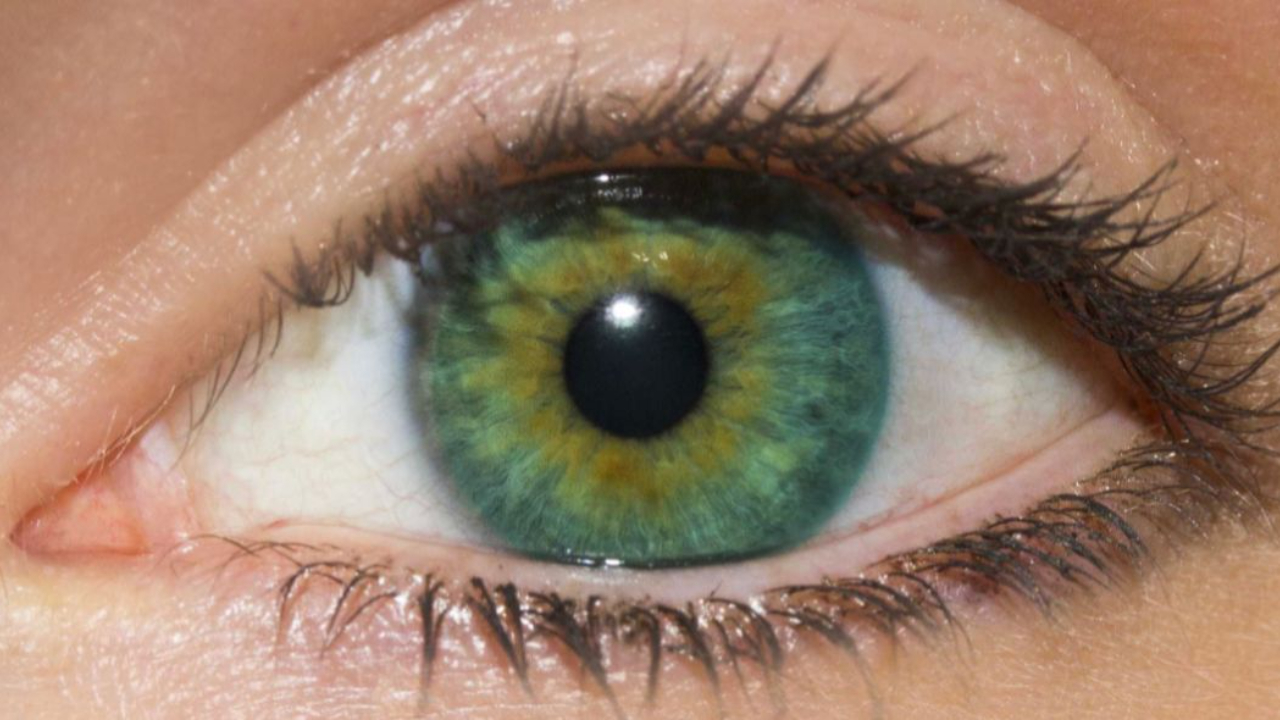
Age Related Macular Degeneration Workshop
Vision loss from Age-related macular degeneration (AMD) is on the rise and preventable. AMD is a neurodegenerative disease that destroys the retina, which is a part of the nervous system.
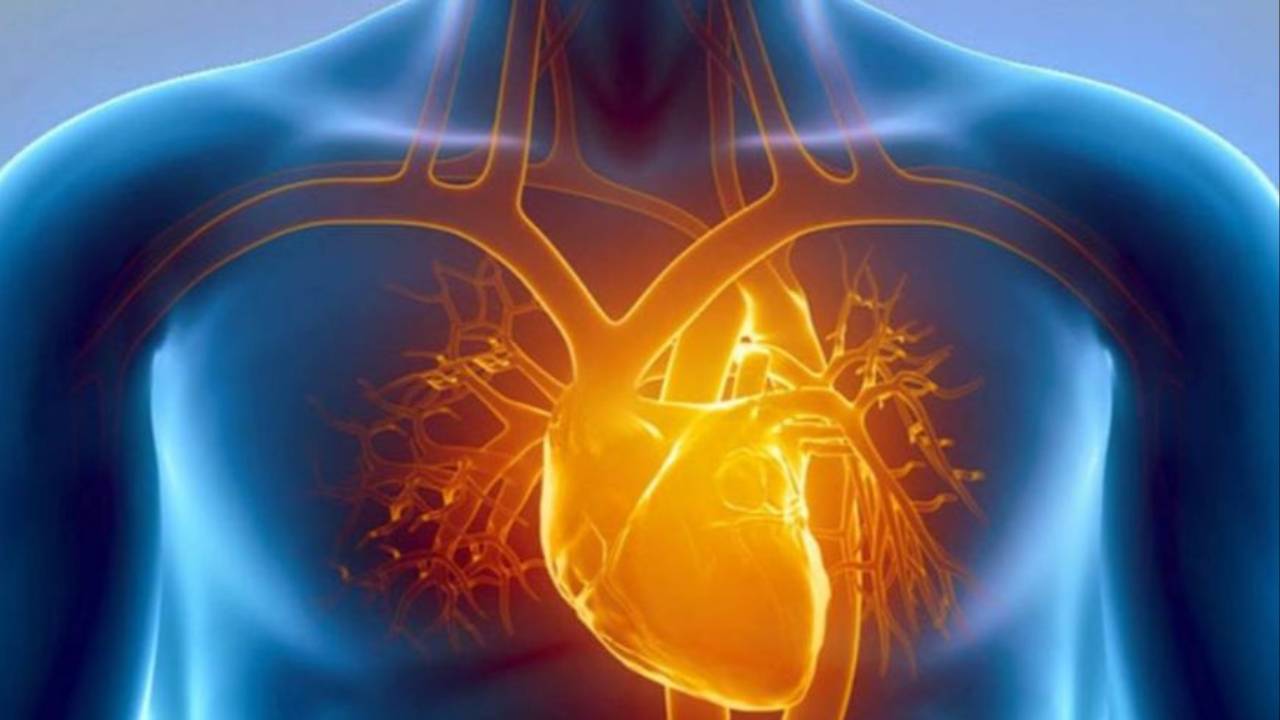
Heart Health Workshop
Learn about genetic and environmental factors that can cause cardiovascular disease, and how to support a healthy heart and vascular system.